How Hard Is It to Learn Norwegian? Honest Answers
In this guide, we’ll break down the real difficulty level, grammar rules, pronunciation challenges, and how long it actually takes to learn Norwegian language fluently.
If you’re thinking about moving to Norway, studying abroad, or simply exploring a new culture, you’ve probably asked yourself: how hard is it to learn Norwegian?
The honest answer?
For English speakers, it’s one of the easier European languages to learn, but that doesn’t mean it’s effortless.
Is Norwegian Hard to Learn for English Speakers?
Compared to many other languages, Norwegian is considered relatively easy for native English speakers.
According to the U.S. Foreign Service Institute (FSI), Norwegian is a Category I language - meaning it’s among the easiest languages for English speakers to learn.
Why?
-
Norwegian and English both belong to the Germanic language family
-
Sentence structure is very similar
-
Vocabulary shares many familiar words
-
Verb conjugations are simple compared to Romance languages
So if your goal is to learn Norwegian language efficiently, you already have a major advantage.
Norwegian Grammar: Easier Than You Think
One of the biggest fears when learning a new language is grammar. The good news? Norwegian grammar is refreshingly simple.
1. No Verb Conjugation by Person
Unlike Spanish, French, or German, Norwegian verbs don’t change based on the subject.
For example:
-
I speak
-
You speak
-
She speaks
In Norwegian, the verb stays the same for all subjects.
This makes it much easier to learn Norwegian language without memorizing endless verb tables.
2. Three Genders — But Manageable
Norwegian has three grammatical genders:
-
Masculine
-
Feminine
-
Neuter
Yes, that adds complexity. However:
-
Many dialects simplify usage
-
In everyday conversation, flexibility is common
-
Context often makes meaning clear
It’s something you adjust to quickly with practice.
3. Word Order Is Familiar
Basic sentence structure is similar to English:
Subject + Verb + Object
Example:
-
I eat food
-
Jeg spiser mat
This familiarity makes it faster to learn Norwegian compared to languages with radically different syntax.
What About Pronunciation?
This is where many learners hesitate.
Norwegian pronunciation can be tricky at first because:
-
Some sounds don’t exist in English
-
Pitch accent (tone differences) can change meaning
-
Dialects vary significantly across Norway
However, Norwegian spelling is largely phonetic. Once you learn the sound system, words are usually pronounced exactly as written.
That consistency actually makes it easier long-term when you learn Norwegian language through reading and listening practice.
Bokmål vs Nynorsk – Does It Make It Harder?
Norway has two official written standards:
-
Bokmål (used by around 85-90% of the population)
-
Nynorsk (used by a minority)
Most learners choose Bokmål. Unless you plan to live in a specific region that uses Nynorsk, you don’t need to worry much about it.
This dual system sounds intimidating, but in reality, it rarely makes it harder to learn Norwegian as a beginner.
How Long Does It Take to Learn Norwegian?
This depends on your goals.
Basic Conversation (A2 Level)
3-6 months
With consistent daily practice (30-60 minutes per day)
Intermediate Fluency (B1–B2 Level)
6-12 months
If you study seriously and practice speaking regularly
Advanced Fluency (C1 Level)
1-2 years
Especially if you live in Norway or immerse yourself fully
Because Norwegian shares similarities with English, most motivated learners progress faster than they expect.
What Makes Norwegian Easier Than Other Languages?
Here’s why many learners are surprised by how manageable it is to learn Norwegian:
-
Simple verb system
-
Familiar vocabulary roots
-
No complicated case system (like German)
-
Logical sentence structure
-
High English proficiency in Norway (you can practice safely)
The last point is important. Most Norwegians speak excellent English, so you won’t feel stuck while learning - but you’ll need to politely insist on practicing Norwegian!
What Makes It Challenging?

Let’s be honest. It’s not all easy.
Here are the real challenges:
Dialects
Norway has strong regional dialects. Spoken Norwegian varies more than written Norwegian.
Pitch Accent
Tone differences can change word meanings - something English speakers aren’t used to.
Small Language Environment
Compared to Spanish or French, there’s less global media content available.
Still, none of these make it extremely difficult - they just require exposure and listening practice.
It is possible to be exposed to Norwegian media if you know where and what to look for.
For example, if you live in Norway, you can access NRK and find Norwegian TV shows, radio, and programs for free. YouTube and Spotify also make it easy to find Norwegian content if you actively search for it.
Instead of being exposed to Norwegian naturally, as with more global languages, learners often need to seek out and create their own exposure.
Is Norwegian Hard Compared to Swedish or Danish?
Norwegian is often considered the easiest of the three Scandinavian languages for English speakers.
-
Danish pronunciation can be harder
-
Swedish has more distinct pitch accent patterns
-
Norwegian sits comfortably in the middle
Many learners even find that once they learn Norwegian language, they can understand parts of Swedish and Danish as well.
So, Is It Worth It to Learn Norwegian?
Absolutely - and here’s one great way to start.
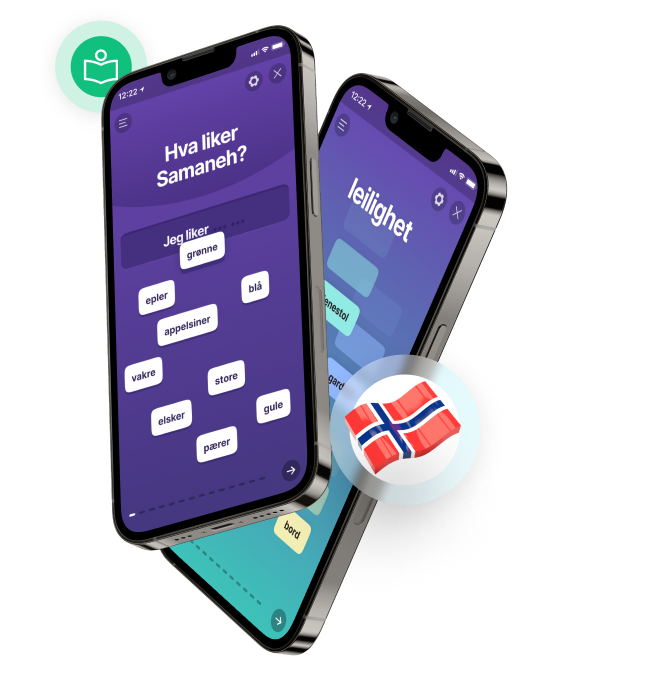
If you want a structured yet flexible path to learn the Norwegian language, consider Easy Norwegian Self‑Study Course on Lingu (lettnorsk). This online self-study program lets you learn at your own pace with game-based lessons, real grammar and pronunciation practice, and optional teacher feedback on your written and audio assignments.
What makes it especially good for beginners?
-
You can start immediately and study anywhere - no rigid class times.
-
The course uses engaging, interactive learning materials that help make abstract grammar and vocabulary stick.
-
You’ll get feedback from a teacher on your exercises - helpful for building real confidence.
It’s especially ideal if you’re busy, prefer self-paced learning, or want an affordable way to make real progress without attending a traditional class.
It is recommended to attend a course where you can practice with other students and receive professional guidance from experienced teachers. This can make it easier to meet immigration requirements, such as passing the Norwegian language test - especially the spoken component, which is required for both permanent residency and citizenship.
Final Verdict: How Hard Is It to Learn Norwegian?
Honest answer:
It’s not hard - if you stay consistent.
For English speakers, it’s one of the most approachable foreign languages in Europe. Grammar is manageable, vocabulary feels familiar, and progress comes faster than expected.
If you’ve been hesitating, this is your sign.
Start small. Practice daily. Focus on listening early.
And before long, you’ll realize that choosing to learn the Norwegian language wasn’t nearly as difficult as you imagined.
¿Te gustaría aprender más noruego?
Regístrese hoy y aprenda noruego con nuestro curso de idiomas en línea basado en juegos «Samanehs reise», ¡desde nivel principiante hasta hablante fluido!
NOK 415 per month