Life in Norway as a Foreigner: What to Expect During Your First Year
This guide explains what you can expect during your first year, from finding housing and employment to learning Norwegian, building friendships, and becoming part of your local community.
Moving to a new country is an exciting milestone, but it also comes with challenges that can take time to overcome. Before relocating, it is worth reviewing the latest residence permit requirements on the Norwegian Directorate of Immigration (UDI). If you are planning to relocate or have recently arrived, understanding what life in Norway as a foreigner is really like can help you settle more quickly and avoid unnecessary surprises.
Norway is consistently ranked among the world's best countries for quality of life. It offers excellent healthcare, high salaries, beautiful landscapes, and a strong work-life balance. At the same time, adapting to Norwegian society requires patience, preparation, and a willingness to embrace a different culture.
Why So Many People Choose Norway
Every year, thousands of people move to Norway for career opportunities, education, or family reasons. The country offers a stable economy, low crime rates, clean cities, and outstanding public services.
Many newcomers are attracted by competitive salaries and generous employee benefits. Others are drawn to Norway's breathtaking nature, including mountains, fjords, forests, and the Northern Lights.
Although the standard of living is high, so is the cost of living. Careful financial planning during your first months will help you adjust more comfortably.
Your First Weeks in Norway
The first few weeks are usually the busiest part of your relocation journey.
Depending on your residence permit and personal situation, you may need to complete several administrative tasks, including:
-
Registering with Norwegian authorities
-
Applying for a tax card
-
Opening a Norwegian bank account
-
Registering your address
-
Choosing a general practitioner
-
Setting up a mobile phone subscription
Completing these steps early will make everyday life much easier.
Finding a Place to Live
Housing is often the biggest challenge for newcomers.
Rental prices vary significantly depending on location. Oslo generally has the highest rents, while smaller towns and rural areas are more affordable.
When searching for accommodation, consider factors such as:
-
Distance to work
-
Public transportation
-
Grocery stores
-
Schools and childcare if you have children
-
Internet availability
Many landlords require a security deposit, so make sure you budget for this expense before arriving.
Temporary accommodation during your first few weeks can give you time to find a long term rental without rushing into a decision.
Understanding Norwegian Work Culture
One of the biggest adjustments for many immigrants is adapting to Norwegian workplace culture.
Norwegian companies tend to have flat organizational structures. Managers are approachable, teamwork is encouraged, and employees are expected to contribute ideas regardless of their position.
Punctuality is extremely important. Meetings usually start on time, and respecting deadlines demonstrates professionalism.
Work-life balance is another major benefit. Many employees finish work in the afternoon and spend evenings with family or enjoying outdoor activities.
Rather than rewarding long working hours, Norwegian employers often value efficiency, collaboration, and independence.
Finding Employment
Finding a job can take time, especially if you are new to the country.
A good place to start your job search is NAV, Norway's official employment service, where thousands of vacancies are published every week.
Certain industries experience regular demand for skilled workers, including:
-
Healthcare
-
Information technology
-
Engineering
-
Construction
-
Education
-
Hospitality
-
Manufacturing
Speaking Norwegian significantly increases your employment opportunities, although some international companies hire English speaking professionals.
Building a professional network through LinkedIn, career fairs, and local events can also improve your chances of finding work.
Why Learning Norwegian Matters
Although many Norwegians speak excellent English, learning the local language is one of the smartest investments you can make.
Norwegian helps you:
-
Find more job opportunities
-
Build stronger friendships
-
Communicate with neighbors
-
Understand workplace conversations
-
Participate in local communities
-
Meet language requirements for permanent residence and citizenship
Even basic conversational skills demonstrate commitment to integrating into Norwegian society.
Many municipalities also offer language courses and integration programs for eligible residents. You can also learn more about the official Norwegian language tests and available preparation resources through HK-dir (The Norwegian Directorate for Higher Education and Skills).
Managing Your Finances
Life in Norway as a foreigner often involves adjusting to higher everyday expenses.
Groceries, restaurants, transportation, and housing can cost considerably more than in many other countries.
However, salaries are generally designed to reflect these higher living costs.
Creating a monthly budget during your first year helps you manage expenses such as:
-
Rent
-
Electricity
-
Internet
-
Public transportation
-
Food
-
Insurance
-
Leisure activities
Many newcomers discover that planning makes it much easier to enjoy Norway without financial stress.
Healthcare and Public Services
Norway has one of the world's most respected healthcare systems. Information about choosing a general practitioner, patient rights, and public healthcare services is available on Helsenorge
Once you are registered in the National Registry and meet the eligibility requirements, you can access public healthcare services.
Most residents choose a regular family doctor who becomes their first point of contact for medical care.
Emergency services, specialist referrals, vaccinations, and preventive healthcare are all part of the public healthcare system.
Understanding how appointments, referrals, and prescription services work will help you feel more confident navigating the healthcare system.
Getting Around Norway
Public transportation is reliable in most cities.If you plan to travel across the country, you can compare train, bus, and ferry routes using Entur, Norway's national travel planner
Buses, trains, trams, ferries, and metro systems make commuting convenient even if you do not own a car.
Cycling has also become increasingly popular, particularly during spring and summer.
If you plan to drive, research whether you can exchange your foreign driving licence or if you need to pass a Norwegian driving test.
Building a Social Life
One concern many newcomers have about life in Norway as a foreigner is making friends.
Norwegians may seem reserved when you first meet them. However, once friendships develop, they are often genuine and long-lasting.
You can expand your social circle by:
-
Joining sports clubs
-
Attending language exchanges
-
Participating in volunteer activities
-
Joining hiking groups
-
Taking evening classes
-
Connecting through local community organizations
Shared activities often make conversations feel more natural than formal introductions.
Enjoying Norwegian Nature
Outdoor life is deeply connected to Norwegian culture. The Norwegian Trekking Association (DNT) offers thousands of marked hiking routes, cabins, and outdoor activities throughout the country.
Many residents spend weekends hiking, skiing, cycling, fishing, or exploring nearby forests and mountains.
The concept of enjoying nature is supported by public access rights that allow people to explore much of the countryside responsibly.
Even if you have never considered yourself an outdoor enthusiast, spending time in nature can become one of the most rewarding aspects of living in Norway.
Understanding Norwegian Seasons
The changing seasons can have a significant impact on your daily life.
Winter brings shorter days, colder temperatures, and snow in many parts of the country.
Spring offers longer daylight hours and blooming landscapes.
Summer provides nearly endless daylight in northern regions, creating excellent opportunities for travel and outdoor activities.
Autumn introduces colorful forests and cooler weather.
Preparing for seasonal changes with appropriate clothing and activities helps make the transition easier.
Common Challenges During Your First Year
Every immigrant experiences moments of uncertainty.
Some of the most common challenges include:
-
Missing family and friends
-
Learning a new language
-
Finding employment
-
Understanding Norwegian bureaucracy
-
Adjusting to higher living costs
-
Building a new social network
These challenges are completely normal and usually become easier with time as you become more familiar with daily life.
Tips for a Successful First Year
Your first year will be much smoother if you:
-
Learn Norwegian from the beginning
-
Build professional and personal networks
-
Explore different regions of Norway
-
Stay patient with administrative processes
-
Create a realistic monthly budget
-
Participate in community activities
-
Keep an open mind about cultural differences
Small steps taken consistently often lead to successful long-term integration.
Making Norway Feel Like Home
Life in Norway as a foreigner can be both exciting and rewarding. While your first year will involve learning new systems, adapting to cultural differences, and establishing a new routine, the effort is often well worth it.
By learning Norwegian, embracing local traditions, and actively participating in your community, you can build a successful and fulfilling life in one of the world's most welcoming and prosperous countries.
Every newcomer follows a different journey, but those who remain patient, curious, and proactive often discover that Norway quickly begins to feel like home.
Frequently Asked Questions
Is life in Norway good for foreigners?
Yes. Norway offers excellent public services, high salaries, a safe environment, and outstanding quality of life. Learning Norwegian and understanding local culture will make the experience even more rewarding.
Can I live in Norway speaking only English?
It is possible in some industries and larger cities, but learning Norwegian greatly improves employment opportunities, social integration, and long-term settlement.
Is Norway expensive?
Yes. Norway has one of the highest costs of living in Europe, but salaries are generally higher than in many other countries.
How long does it take to adjust to life in Norway?
Most newcomers begin feeling comfortable within six to twelve months. Learning the language and building a social network can significantly speed up the adjustment process.
What is the biggest challenge for foreigners living in Norway?
Many people find language barriers, social integration, and adapting to the climate to be the biggest challenges during their first year.
Чи хотіли б ви більше вивчати норвезьку?
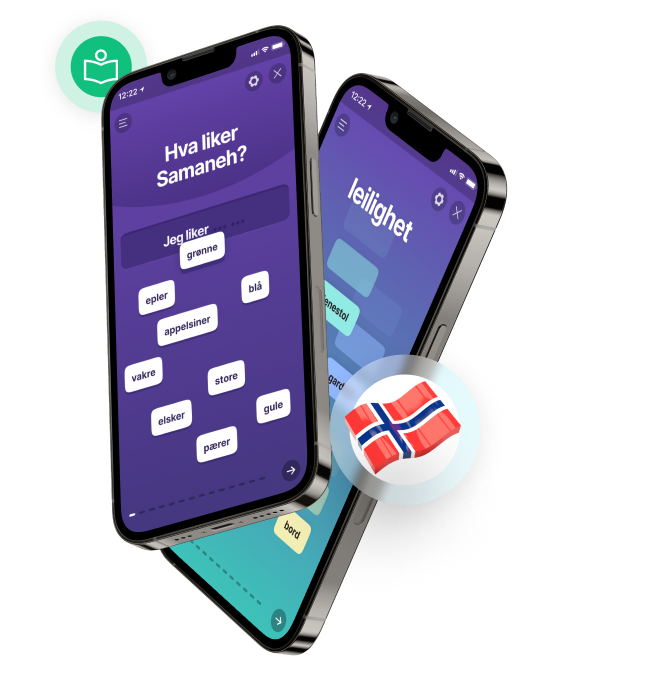
Зареєструйтеся сьогодні та вивчіть норвезьку за допомогою нашого ігрового онлайн-курсу «Samanehs reise» від початкового рівня до вільного мовця!
NOK 415 per month