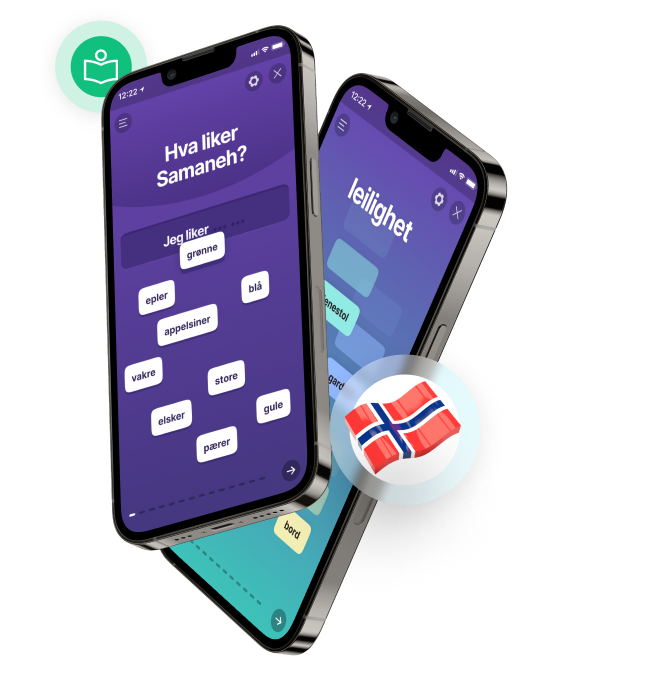
Norsk Language Course Explained: Structure, Levels, and Outcomes
A well-designed norsk language course is carefully organized to guide learners from basic communication to advanced fluency. Understanding how these courses are structured, what levels they include, and what outcomes you can expect helps students approach their studies with clarity and motivation.
Learning a new language can open doors to culture, career opportunities, and meaningful connections. For those planning to live, work, or study in Norway, enrolling in a norsk language course is often the first step toward building a confident life in a Norwegian-speaking environment. Norwegian may appear challenging at first, but the structure of modern language courses makes the journey both engaging and highly achievable.
How a Norsk Language Course Is Structured
Most language schools and online learning platforms design a norsk language course around progressive modules that build skills step by step. Rather than overwhelming students with grammar rules from the beginning, courses typically start with everyday communication. Early lessons introduce simple greetings, common phrases, pronunciation basics, and essential vocabulary that learners can immediately use in daily life.
As the course progresses, students begin to explore more complex language structures. Grammar is introduced gradually, usually through practical examples and conversations rather than abstract explanations. Reading and listening exercises help learners understand spoken Norwegian in different contexts, from casual conversations to news reports and workplace discussions.
A typical norsk language course balances several core skills. Speaking practice is often central, encouraging students to participate in dialogues, role-plays, and interactive exercises. Listening tasks help develop comprehension of natural Norwegian speech patterns, while reading exercises expose learners to real-world texts such as articles, short stories, and informational materials. Writing assignments gradually evolve from simple sentences to more structured paragraphs and formal communication.
Many modern courses also incorporate cultural elements. Students learn about Norwegian customs, social norms, and everyday life, which helps them communicate more naturally with native speakers and better understand the context behind the language.
CEFR Levels and Learning Progression
Most structured language programs follow the Common European Framework of Reference for Languages (CEFR). This internationally recognized system divides language learning into clear levels that measure a learner’s proficiency.
At the beginner stage, typically labeled A1, students focus on basic expressions and simple interactions. By the end of this level, a learner can introduce themselves, ask basic questions, and understand familiar phrases used in everyday situations.
The next stage, A2, expands communication abilities. Students become more comfortable discussing routine activities such as shopping, work, or travel. They begin forming longer sentences and can handle simple conversations with native speakers who speak clearly and patiently.
Intermediate levels, B1 and B2, represent a significant leap in language ability. At B1, learners start expressing opinions, describing experiences, and understanding the main points of conversations on familiar topics. B2 pushes this further, enabling students to engage in more complex discussions, understand detailed texts, and communicate with greater fluency and confidence.
Advanced levels, C1 and C2, focus on mastery. At these stages, students can understand nuanced language, participate in professional conversations, and express ideas with precision. Many individuals who complete advanced levels of a norsk language course can comfortably work or study in Norwegian-speaking environments.
Learning Goals Throughout the Course
Every stage of a norsk language course has specific learning goals designed to build both linguistic competence and real-life communication skills. Beginners aim to develop a strong foundation in pronunciation, everyday vocabulary, and simple sentence structures. These early achievements create confidence and motivate learners to continue progressing.
As students move into intermediate levels, the focus shifts toward independence in communication. Learners work on understanding spoken Norwegian in natural conversations, reading longer texts, and expressing their thoughts more clearly. At this stage, the ability to navigate daily life in Norway becomes much easier.
Advanced learners typically concentrate on refining their language skills. Courses emphasize more complex grammar patterns, nuanced vocabulary, and professional communication. Students may analyze media content, participate in debates, and write structured essays or reports. These goals prepare learners not only to communicate effectively but also to participate fully in Norwegian society.
Expected Results from a Norsk Language Course
One of the most rewarding aspects of completing a norsk language course is the tangible progress learners experience. Even after the first levels, students often notice they can understand signs, follow simple conversations, and interact with locals more comfortably.
By the intermediate stages, many learners feel confident handling everyday situations such as ordering food, discussing work tasks, or speaking with neighbors. The language begins to feel natural rather than intimidating, and comprehension improves dramatically.
For those who continue to advanced levels, the results can be transformative. Graduates of comprehensive norsk language courses are often capable of working in Norwegian-speaking workplaces, participating in community discussions, and consuming media such as newspapers, podcasts, and television in Norwegian without difficulty.
Beyond language skills, students frequently gain a deeper appreciation for Norwegian culture and society. The learning process encourages curiosity and connection, making the language more than just a tool for communication.
Why a Norsk Language Course Is Worth the Investment
Taking a structured norsk language course provides a clear path toward fluency. Instead of struggling through scattered resources, learners benefit from a guided progression that builds skills systematically. The combination of CEFR levels, practical communication exercises, and cultural insights ensures that students develop real-world language abilities rather than just theoretical knowledge.
For anyone planning to spend time in Norway, whether for work, study, or personal interest, learning Norwegian creates opportunities that go far beyond simple conversation. It strengthens professional prospects, deepens cultural understanding, and makes everyday life far more rewarding.
In the end, a norsk language course is not just about mastering vocabulary and grammar. It is about gaining the confidence to participate in a new linguistic and cultural world, one conversation at a time.
For learners who want a well-organized and effective approach, Lingu offers programs designed specifically for international students learning Norwegian. One particularly popular option is the Fast‑Track Norwegian course
Har du lyst til å lære mer norsk?
Meld deg på i dag og lær norsk på nettet med vårt spillbaserte språkkurs «Samanehs reise», fra nybegynnernivå til flytende nivå!
415 kr per month